
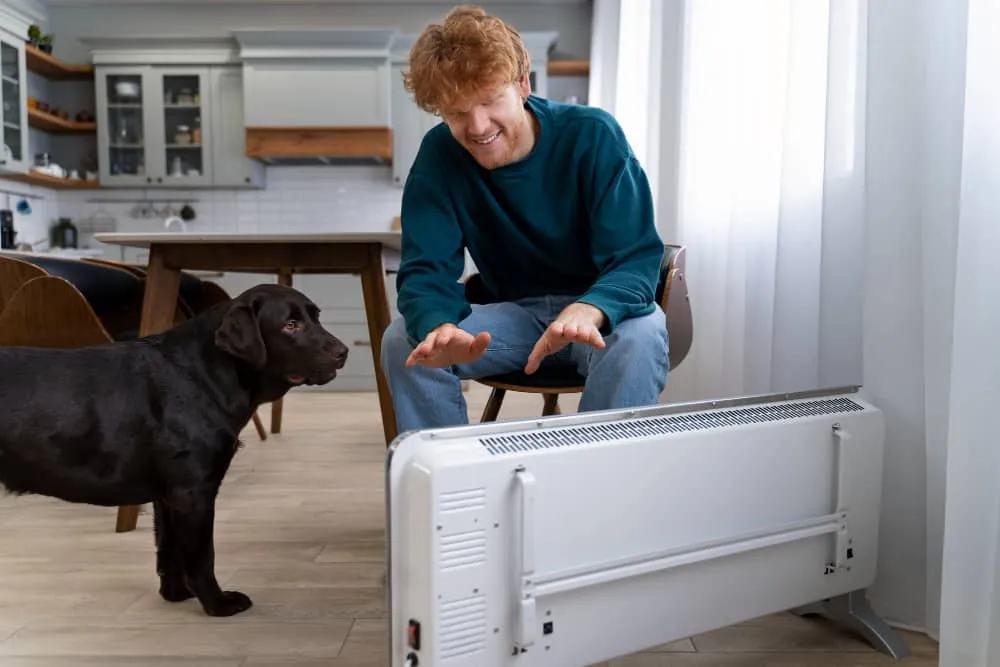
Keeping your home warm during winter is essential for comfort, health, and energy efficiency. However, heating a home in regions with freezing temperatures can be challenging, especially when traditional heating systems consume significant amounts of energy. Fortunately, modern heat pump technology offers an efficient alternative that can provide reliable indoor comfort even when outdoor temperatures drop below freezing.
Heat pumps are becoming increasingly popular because they transfer heat rather than generate it through conventional combustion or electric resistance heating. Advanced cold-climate models are specifically designed to operate efficiently in lower temperatures, making them a practical heating solution for many homeowners.
Understanding the 4 advantages of heat pumps can help you determine whether this technology is suitable for your home. From lower energy consumption to year-round comfort, these systems offer several benefits worth considering.
How Do Heat Pumps Work in Cold Climates?
Heat pumps work by transferring thermal energy from one location to another. During winter, they extract heat from the outdoor air and move it indoors to warm your living space. Even when outdoor temperatures are below freezing, air contains some usable thermal energy.
Cold-climate heat pumps use advanced compressors, refrigerants, and control systems to extract heat more effectively in challenging weather conditions.
Unlike traditional furnaces, which generate heat by burning fuel or using electrical resistance, heat pumps move existing heat. This process allows them to deliver more heating energy than the electricity they consume under suitable operating conditions.
Let’s explore four important benefits of using heat pumps in colder regions.
1. Improved Energy Efficiency and Lower Heating Costs
One of the biggest advantages of installing a heat pump in a cold climate is its energy efficiency. Traditional electric resistance heaters convert electricity directly into heat, while heat pumps transfer existing thermal energy from outdoors into your home.
Because of this process, heat pumps can deliver multiple units of heating energy for every unit of electricity consumed under favorable operating conditions.
Modern cold-climate models use variable-speed compressors and advanced controls to maintain efficient operation as outdoor temperatures decrease. This can significantly reduce electricity consumption compared with conventional electric heating systems.
For homeowners who rely on expensive heating methods, switching to an appropriately sized heat pump may result in noticeable long-term energy savings.
However, actual savings depend on electricity prices, local climate, insulation quality, equipment efficiency, and existing heating costs.
2. Reliable Heating Performance in Freezing Temperatures
Many homeowners assume that heat pumps cannot provide sufficient warmth during extremely cold winters. While older models often struggled in freezing conditions, modern cold-climate systems are designed to operate at much lower outdoor temperatures.
Advanced compressors, improved refrigerants, and enhanced defrost technology allow these systems to extract heat from cold outdoor air more effectively.
Some specially designed models can continue providing heating at temperatures well below freezing, although their capacity and efficiency generally decrease as outdoor temperatures fall.
Another useful feature is the ability to pair a heat pump with a backup heating system. This arrangement provides additional heating support during exceptionally cold weather or when heating demand exceeds the heat pump’s capacity.
For homeowners living in regions with long winters, this improved performance makes modern heat pumps a dependable heating option when properly selected and installed.
3. Environmentally Friendly Heating Solution
Reducing household energy consumption is an important step toward minimizing environmental impact. Heat pumps can support this goal by using electricity to transfer heat rather than relying directly on fossil fuel combustion.
Unlike gas or oil furnaces, electric heat pumps do not produce combustion emissions inside the home. Their overall environmental impact depends on how the electricity they use is generated.
When powered by electricity from renewable sources, such as solar or wind energy, heat pumps can offer an even cleaner approach to home heating.
Their high efficiency also helps reduce energy demand, potentially lowering greenhouse gas emissions compared with conventional heating systems.
Another advantage is that homeowners can use the same equipment for heating and cooling, reducing the need for separate heating and air conditioning systems.
For environmentally conscious households, this combination of efficiency and reduced direct emissions makes heat pumps an attractive long-term investment.
4. Year-Round Comfort With Heating and Cooling Capabilities
A major benefit of heat pump technology is its ability to provide both heating and cooling.
During winter, the system transfers heat from outdoors into your home. During summer, the refrigeration cycle reverses, removing indoor heat and releasing it outside.
This dual functionality eliminates the need for separate heating and cooling equipment in many homes.
Heat pumps can also provide consistent indoor temperatures when correctly sized and installed. Variable-speed technology allows many modern systems to adjust their output according to changing heating and cooling requirements.
This helps minimize temperature fluctuations and can improve overall indoor comfort.
Additionally, some systems offer advanced filtration and humidity management features that support better indoor air quality and comfort.
For homeowners looking for a single system that works throughout the year, heat pumps offer considerable convenience and flexibility.
Important Factors to Consider Before Installing a Heat Pump
Although heat pumps offer several benefits, selecting the right system is essential for achieving reliable performance in cold weather.
Start by considering your region’s lowest winter temperatures and the heating capacity required for your property. Look for models specifically designed for cold climates and compare their performance ratings at low outdoor temperatures.
Home insulation, window quality, air leakage, and room size also influence heating performance. A well-insulated home generally requires less energy to maintain comfortable indoor temperatures.
Installation quality is equally important. Incorrect equipment sizing, poor airflow, or unsuitable refrigerant line installation can reduce efficiency and affect system performance.
A qualified HVAC professional can evaluate your home and recommend a suitable system based on your climate, heating requirements, and budget.
Frequently Asked Questions
1. Do heat pumps work when temperatures drop below freezing?
Yes. Modern cold-climate heat pumps are designed to extract heat from outdoor air even at below-freezing temperatures. However, their heating capacity and efficiency generally decrease as temperatures become colder.
2. Are heat pumps cheaper to operate in cold climates?
They can be, particularly when replacing electric resistance heating or less efficient systems. Operating costs depend on electricity rates, outdoor temperatures, equipment efficiency, and household energy requirements.
3. Do heat pumps need backup heating during winter?
Not always. Some cold-climate models can meet a home’s heating requirements without additional heating. However, backup systems can be useful in regions experiencing extremely low temperatures or unusually high heating demand.
4. How long do heat pumps typically last?
Most residential heat pumps have an expected lifespan of approximately 10–15 years, although proper installation, regular maintenance, and operating conditions can influence their longevity.
Conclusion
Heat pumps are an effective heating and cooling solution for homeowners living in colder regions. Their energy efficiency, improved low-temperature performance, environmental benefits, and year-round functionality make them a valuable alternative to conventional heating systems.
Choosing a cold-climate model that matches your home’s heating requirements is essential for achieving the best results. With proper installation, insulation, and regular maintenance, a heat pump can provide dependable indoor comfort while helping manage long-term energy expenses.
