
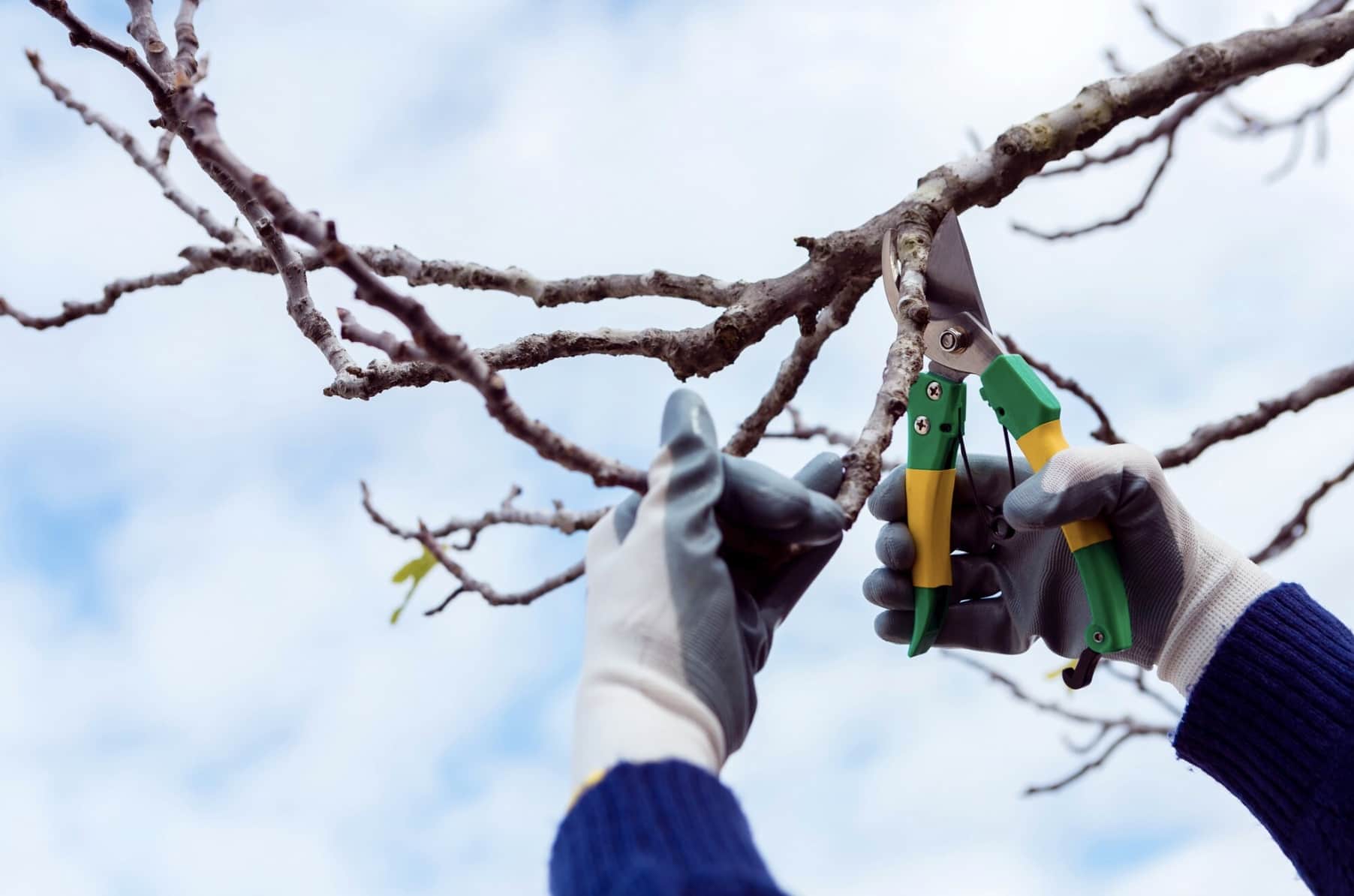
are revolutionising traditional methods of maintenance and production across agricultural landscapes. These tools offer a modern approach that not only enhances efficiency but also supports sustainable practices.
Pruning is a key step in maintaining plant health and ensuring optimal yields. Whether in a vineyard or an orchard, proper pruning encourages strong growth, improves air circulation, and controls the structure of the plant. Electric pruning tools provide a practical and time-saving alternative to manual or fuel-powered equipment, especially for professionals managing large areas.
The shift from manual to electric pruning
In the past, vineyard and orchard workers relied heavily on manual shears and pruning saws. While these tools are effective, they demand significant physical effort and time, particularly during peak pruning seasons. The advent of electric pruning solutions has marked a turning point.
These tools, typically powered by lightweight lithium-ion batteries, offer precision cutting with far less physical strain. Users benefit from increased productivity, reduced fatigue, and a more uniform result across large plantations. The ergonomic design of most electric pruners allows workers to maintain a natural hand position, decreasing the risk of repetitive strain injuries.
The following table summarises the key differences between manual, fuel-powered, and electric pruning systems:
|
Feature |
Manual tools |
Fuel-powered pruners |
Electric pruners |
|
Physical effort |
High |
Medium |
Low |
|
Noise level |
Very low |
High |
Low |
|
Environmental impact |
None |
High |
Low |
|
Maintenance |
Low |
High |
Medium |
|
Cutting precision |
Medium |
High |
High |
|
Suitability for large areas |
Low |
High |
High |
are revolutionising traditional methods of maintenance and production across agricultural landscapes. These tools offer a modern approach that not only enhances efficiency but also supports sustainable practices. Professionals can explore a wide selection of electric pruning tools on Infaco USA store to find equipment adapted to their needs. For a detailed look into agricultural technology trends, one can consult AgriTech France which provides updated insights into current innovations.
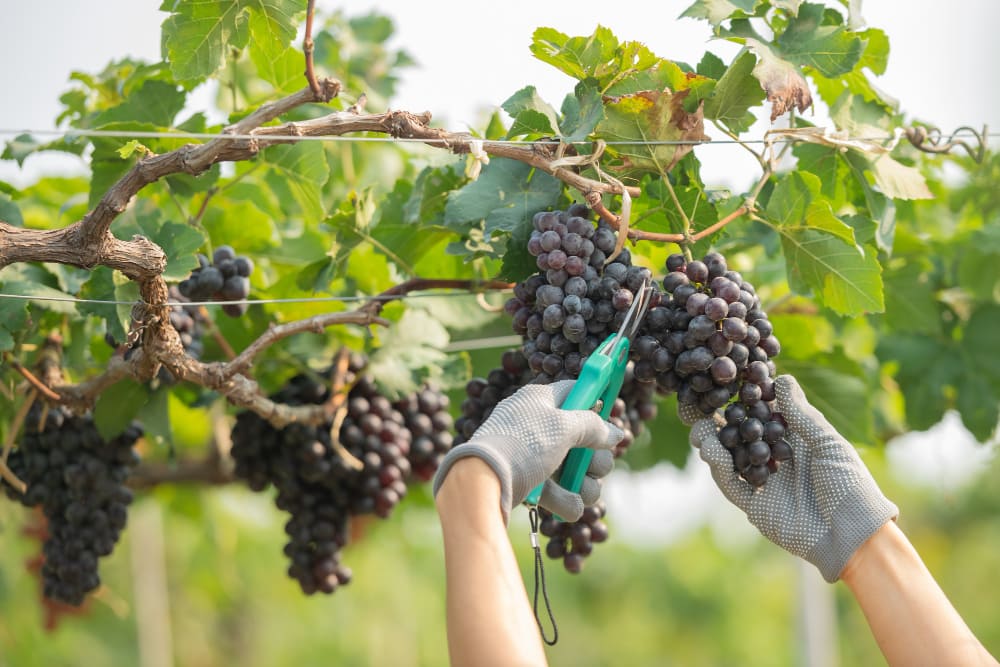
Main benefits for winegrowers and arboriculturists
What sets electric pruning solutions apart is their capacity to combine performance and sustainability. These tools are built to answer the specific needs of professionals working in diverse terrain and weather conditions.
Some of the main advantages include:
- Time savings: A significant reduction in pruning time per vine or tree, allowing for more extensive areas to be covered in less time.
- Energy efficiency: Electric tools are more energy-efficient and do not require fuel or oil, thus lowering operational costs.
- Reduced physical strain: Thanks to improved ergonomics and automatic cutting action, workers are less likely to experience fatigue or injury.
- Consistent cuts: A clean, consistent cut reduces the risk of disease and ensures better plant healing.
- Lower environmental footprint: With no emissions and minimal noise, electric pruners contribute to a cleaner working environment.
Beyond these clear benefits, electric pruning also aligns with new agricultural directives aiming to reduce the carbon footprint of farming operations.
Choosing the right electric pruner
Different models of electric pruners cater to different needs. The choice will largely depend on the type of crop, the thickness of branches, and the scale of the operation.
When selecting a model, key aspects to consider include:
- Blade type and its compatibility with the type of wood
- Battery life and recharging time
- Cutting diameter, especially for thicker vines or older orchard trees
- Weight and balance to ensure comfortable use throughout the day
- Ease of maintenance and availability of spare parts
For those working in high-density vineyards or mature orchards with hard wood, it may be wise to invest in professional-grade pruners with a larger cutting diameter and extended battery autonomy.
Integration with smart farming systems
As precision agriculture evolves, electric pruning tools are beginning to integrate with digital systems that track performance, productivity, and maintenance schedules. This shift toward connected tools enhances decision-making for farmers and helps anticipate wear or breakdowns.
Such tools can record the number of cuts made per session or per day, monitor battery usage, and even sync data with farm management software. This contributes to a data-driven approach to pruning that can improve crop outcomes and resource management.
Challenges and limitations to consider
Although the advantages are considerable, a few challenges may arise with electric pruning systems. Battery autonomy, for instance, remains a concern for larger operations, where several battery packs may be needed to complete a full day of work.
In some terrains or weather conditions, water resistance and tool durability must be taken into account. Regular cleaning and proper storage are essential to ensure tool longevity. Moreover, while the initial investment in electric pruners can be high, especially for top-tier models, many users find the return on investment to be justified by improved efficiency and long-term cost savings.
Practical applications and user feedback
Across Europe, more and more growers are adopting electric pruning solutions. From Bordeaux vineyards to apple orchards in Normandy, feedback has been overwhelmingly positive. Professionals underline the ease of use, the quality of the cuts, and the silent operation which improves the overall working environment.
Electric tools are also proving especially useful in agroecological approaches where reducing chemical inputs and mechanical stress on plants is a priority. Many users report a reduction in pruning-related injuries and faster recovery of pruned plants.
Tips for optimal use
To get the most out of an electric pruner, some best practices include:
- Always wear appropriate protective gear, especially gloves and safety glasses.
- Charge batteries fully before each session and keep spares ready if working long hours.
- Clean blades and remove sap after use to avoid clogging or rust.
- Store tools in a dry, safe space to prolong battery and blade life.
- Schedule annual maintenance checks with the manufacturer or a certified technician.
Proper training is also recommended, especially for teams managing large plantations. Manufacturers often provide tutorials or on-site demonstrations to ensure users operate the tools safely and effectively.
For more information on sustainable practices and vineyard management, consult the French Ministry of Agriculture for resources and guidelines.
are more than just a technological trend. They represent a meaningful evolution in agricultural practices, blending efficiency, comfort, and respect for the environment into one powerful tool. With the growing demand for sustainable and high-quality production, these devices are fast becoming an indispensable part of modern vineyard and orchard management.
