
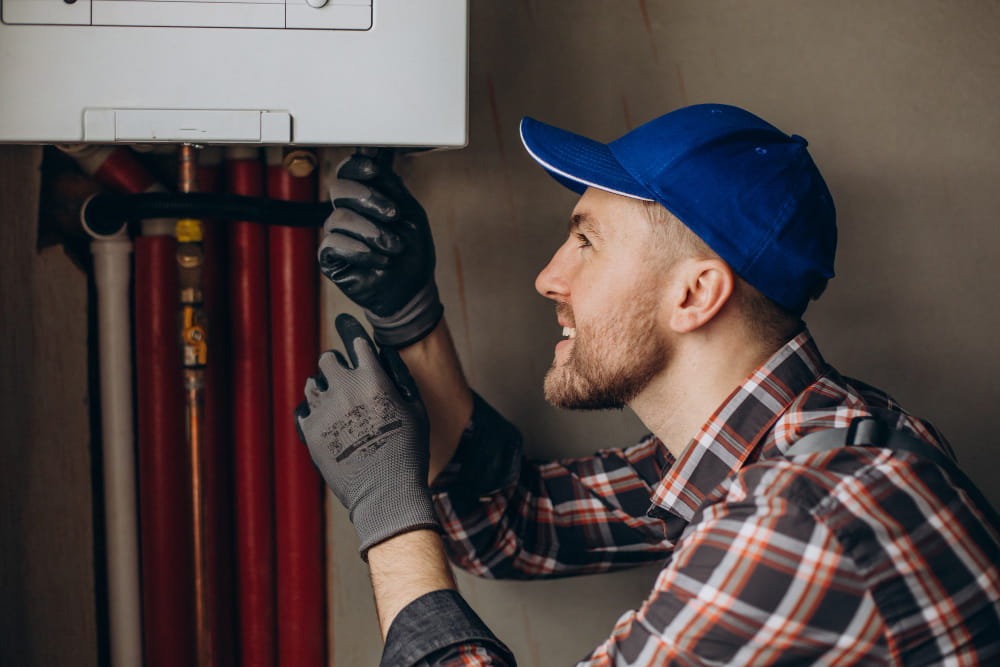
A reliable boiler serves as the heart of a home’s comfort system during the colder months, providing consistent warmth through radiant heat or baseboard emitters. Because these systems are often tucked away in basements or utility closets, it is easy to forget about their operational health until a total failure occurs. Recognizing the subtle indicators of mechanical distress early can prevent a minor hiccup from becoming a major expense.
Proactive observation is your best defense against the biting winter chill and the stress of emergency repairs. Scheduling a professional heating service at the first sign of trouble allows a technician to address small leaks or pressure imbalances before they compromise the entire system. By staying vigilant, you protect your property from water damage and ensure your household remains a cozy, safe sanctuary all season.
Auditory Warnings and Unusual Noises
One of the most immediate signs that your boiler is struggling is a change in its acoustic profile. While a low hum is normal, sounds like banging, whistling, or gurgling—often referred to as “kettling”—indicate serious internal issues. These noises are frequently caused by a buildup of lime scale or sludge on the heat exchanger, which restricts water flow and causes localized boiling and pressure spikes.
If left unaddressed, these mineral deposits act as a thick layer of insulation, forcing the unit to work significantly harder to heat your home. This increased mechanical strain often leads to a premature breakdown of the primary heat exchanger. Contacting a certified heating service ensures that your system is flushed correctly, removing the debris and restoring the quiet, efficient operation you expect from a high-quality heating unit.
- Banging or Clunking: Often points to a failing pump or an accumulation of debris within the heat exchanger.
- Whistling Sounds: Similar to a tea kettle, this usually indicates trapped air or restricted water flow within the pipes.
- Gurgling in Radiators: A clear sign that air has entered the system and needs to be bled out to restore heat.
- Vibrating Pipes: Suggests that the internal circulator pump is loose or suffering from mechanical bearing failure.
- Repeated Clicking: Often related to a faulty ignition switch or a problem with the flame sensor mechanism.
Visible Leaks and Pressure Imbalances
Water pooling around the base of your boiler is never a minor issue and should be treated with immediate concern. Even a tiny, slow drip can lead to significant corrosion of the internal components and the surrounding subflooring. Leaks are often found near the pressure relief valve or the pump seals, indicating that the system is operating under excessive stress or has suffered from age-related wear.
Furthermore, you should periodically check the pressure gauge on your unit, which typically rests between twelve and fifteen PSI. If the needle constantly drops, it suggests a hidden leak somewhere in your plumbing network. If the pressure spikes too high, it could mean the expansion tank has failed. Both scenarios require professional diagnostic tools to resolve safely without risking a catastrophic burst pipe or a flooded basement.
Inconsistent Temperatures and Rising Utility Bills

A well-functioning boiler should provide even, crisp heat to every room in your house. If you notice that some radiators are boiling while others remain lukewarm, your system is likely suffering from a distribution failure. This could be due to air pockets, a faulty zone valve, or a circulator pump that no longer has the power to move water to the furthest reaches of the property.
Efficiency is another key indicator of boiler health that manifests in your monthly financial statements. If your fuel consumption increases significantly without a corresponding drop in outdoor temperatures, your boiler is likely losing its ability to transfer heat effectively. Modern condensing boilers are designed for high efficiency, so any sudden spike in gas or oil usage is a clear signal that the internal components require professional calibration and cleaning.
- Yellow Pilot Light: A healthy flame should be blue; yellow indicates incomplete combustion and a possible carbon monoxide risk.
- Musty Odors: Strange smells near the unit can suggest a gas leak or that the flue is not venting correctly.
- Slow Heat-up Times: If the home takes hours to reach the set temperature, the burners or heat exchanger are likely dirty.
- Frequent Short-Cycling: Turning on and off too often wastes fuel and puts immense stress on the electrical controls.
- Rust and Corrosion: Visible white or orange powder on the exterior pipes suggests long-term moisture damage and thinning metal.
The Importance of Annual Professional Audits
Even if your boiler appears to be running smoothly, an annual inspection is critical for long-term reliability and safety. Technicians possess specialized tools to test for microscopic carbon monoxide leaks and check the integrity of the flue. They also lubricate moving parts and tighten electrical connections that naturally loosen over time due to vibration. This preventative care keeps your manufacturer’s warranty valid and provides you with absolute peace of mind.
Modern boilers are complex machines that integrate electrical sensors with high-pressure plumbing and gas lines. Attempting to repair these units yourself can be dangerous and often leads to more extensive damage. Partnering with a local expert ensures that your system receives the precise care it needs to function safely. This collaborative approach to home maintenance preserves your equipment, lowers your environmental footprint, and ensures your family stays warm through the harshest winter weather.
Conclusion
Recognizing early signs like unusual noises, visible leaks, and inconsistent heating is essential for maintaining a safe and efficient boiler. Ignoring these symptoms leads to higher utility bills, dangerous gas leaks, and expensive emergency replacements. Prioritizing a professional heating service ensures that small mechanical issues are resolved before they escalate into structural damage. By monitoring pressure levels and flame color, you take control of your home’s energy economy. Consistent care protects your investment, enhances your daily comfort, and provides the absolute peace of mind your family deserves.
