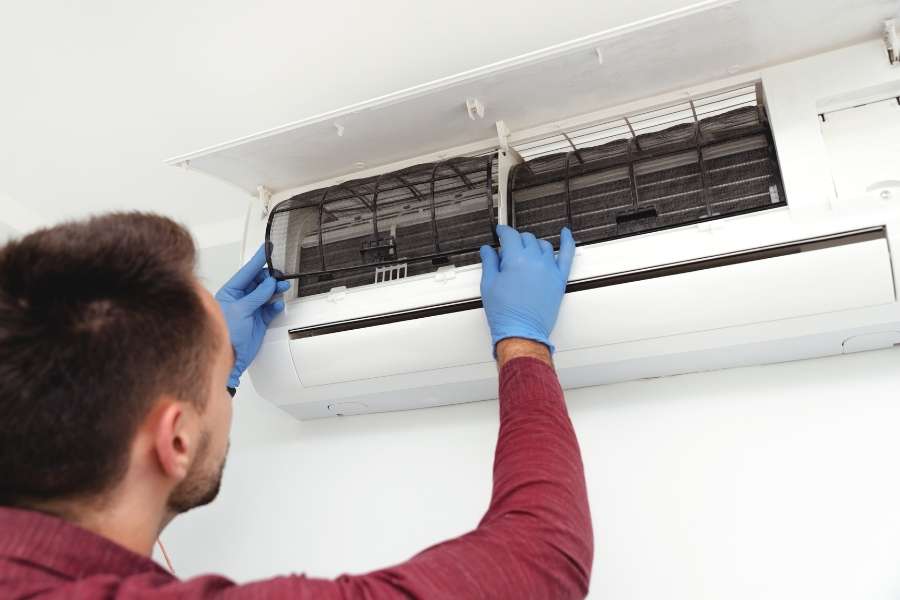
An aging air conditioner quietly drives up energy bills and repair costs year after year. Delaying replacement keeps an inefficient system running longer than it should. Understanding the true cost of waiting helps homeowners make a smarter, more economical decision before the next cooling season arrives.
An older air conditioner may still cool the home, yet it often costs far more to operate than a newer model. Efficiency declines with age, and small repairs become more frequent. Many homeowners keep postponing the decision because the unit still works. That delay usually raises long-term expenses rather than saving money. Energy use climbs, repair bills add up, and comfort becomes less consistent. Learning the real impact of waiting makes planning for AC replacement a practical step that protects both the household budget and daily comfort.
How Age Reduces System Efficiency
Air conditioners lose efficiency as components wear. Coils collect dirt, motors draw more power, and refrigerant levels can drop. An older unit must run longer to reach the same temperature, which increases electricity use every month.
Newer systems are designed to move heat more effectively and cycle less often. The difference in energy consumption becomes clear when comparing bills from an aging unit to those of a modern high-efficiency model. Continuing to operate a worn system means paying more for the same cooling.
Rising Repair Frequency and Cost
As an air conditioner ages, parts fail more often. Capacitors, motors, and compressors reach the end of their service life. Each repair restores function for a time, yet the overall cost of repeated service visits grows.
At a certain point the annual repair total begins to approach or exceed the monthly cost of a new system. Delaying replacement simply extends the cycle of breakdowns and service calls. Addressing the underlying age-related decline ends that pattern and restores reliable performance.
Higher Energy Bills Over Time
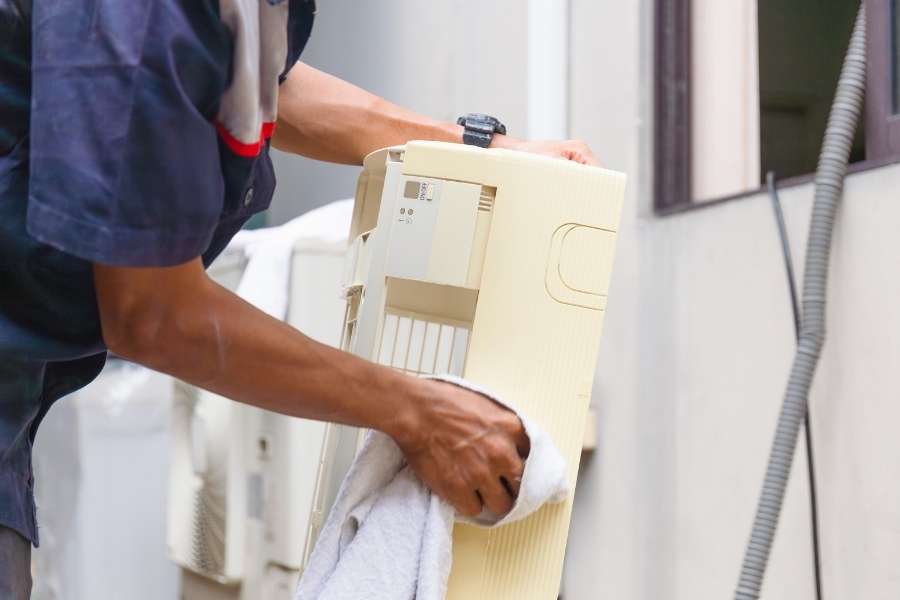
Inefficiency compounds. A system that once used a moderate amount of electricity gradually consumes more as it ages. The increase may appear small at first, but over several seasons the extra cost becomes significant.
Homeowners often notice the change when comparing current bills to those from previous years under similar weather conditions. The longer an inefficient unit remains in service, the larger the cumulative energy expense becomes. Replacing it stops that upward trend, supporting broader efficiency goals similar to the role of HVAC systems in modern commercial buildings.
Comfort and Reliability Decline
An aging air conditioner struggles to maintain even temperatures. Rooms may feel warmer than the thermostat setting, humidity control weakens, and the system cycles more frequently. These performance issues reduce daily comfort even while energy and repair costs climb.
A newer system delivers steadier cooling with less effort. The improvement in comfort is immediate, and the reduction in operating cost follows. Waiting only prolongs the period of uneven performance and higher expenses.
The Hidden Cost of Waiting Another Season
Many homeowners plan to replace the unit “next year.” Each additional season of use adds more wear, higher energy consumption, and the risk of a mid-summer failure. Emergency repairs during peak heat are typically more expensive and less convenient than a planned replacement.
Calculating the combined cost of extra energy use and repeated repairs often shows that continuing with the old system is the more expensive choice. A planned upgrade avoids the scramble and the higher bills that come with delay.
Key Factors That Signal Replacement Time
- The system is more than 10–15 years old and requires frequent repairs.
- Energy bills have risen steadily without a matching increase in usage.
- Cooling is uneven or the unit runs almost continuously.
- Repair costs in a single year approach a significant portion of a new system’s price.
- The unit uses an outdated refrigerant that is becoming harder to obtain.
These indicators help homeowners move from reactive repairs to a clear replacement decision.
Benefits of Timely Replacement Planning
Replacing an aging air conditioner restores efficiency, lowers monthly energy costs, and reduces the chance of unexpected breakdowns. Modern systems also offer quieter operation and better humidity control. Financing options and seasonal promotions can make the investment more manageable.
Planning ahead allows time to compare equipment, schedule installation at a convenient moment, and avoid the pressure of a sudden failure. The result is reliable cooling and predictable costs for years ahead.
FAQs
How does an older AC increase energy bills?
Worn components and reduced efficiency force the system to run longer to maintain the desired temperature, which raises electricity use.
At what age should homeowners seriously consider replacement?
Most units between 10 and 15 years old begin showing clear efficiency losses and higher repair needs.
Can regular maintenance eliminate the need for replacement?
Maintenance helps, yet it cannot restore the original efficiency of a system that has reached the end of its design life.
Why are emergency repairs more costly than planned replacement?
Emergency service during peak demand often carries higher rates, and a failed system leaves the home without cooling until repairs are complete.
What is the first step in deciding whether to replace?
Determine the age of the current unit and review recent repair history and energy bills to see the full cost of keeping it.
A Final Look
Delaying air conditioner replacement allows efficiency losses, rising energy bills, and more frequent repairs to continue. An aging system costs more to operate and becomes less reliable with each passing season. Recognizing the true expense of waiting makes the decision clearer. Timely action restores comfort, lowers operating costs, and ends the cycle of repeated service calls. When the signs point to replacement, planning for AC replacement protects both the household budget and daily comfort. Evaluate the age and performance of the current unit, weigh the ongoing costs, and move forward with a solution that delivers efficient cooling for the long term.